Wystawa czasowa
25.07.2026 - 18.10.2026
Level: 0
The State of Possession: The Topography of the MOCAK Collection – Part 1
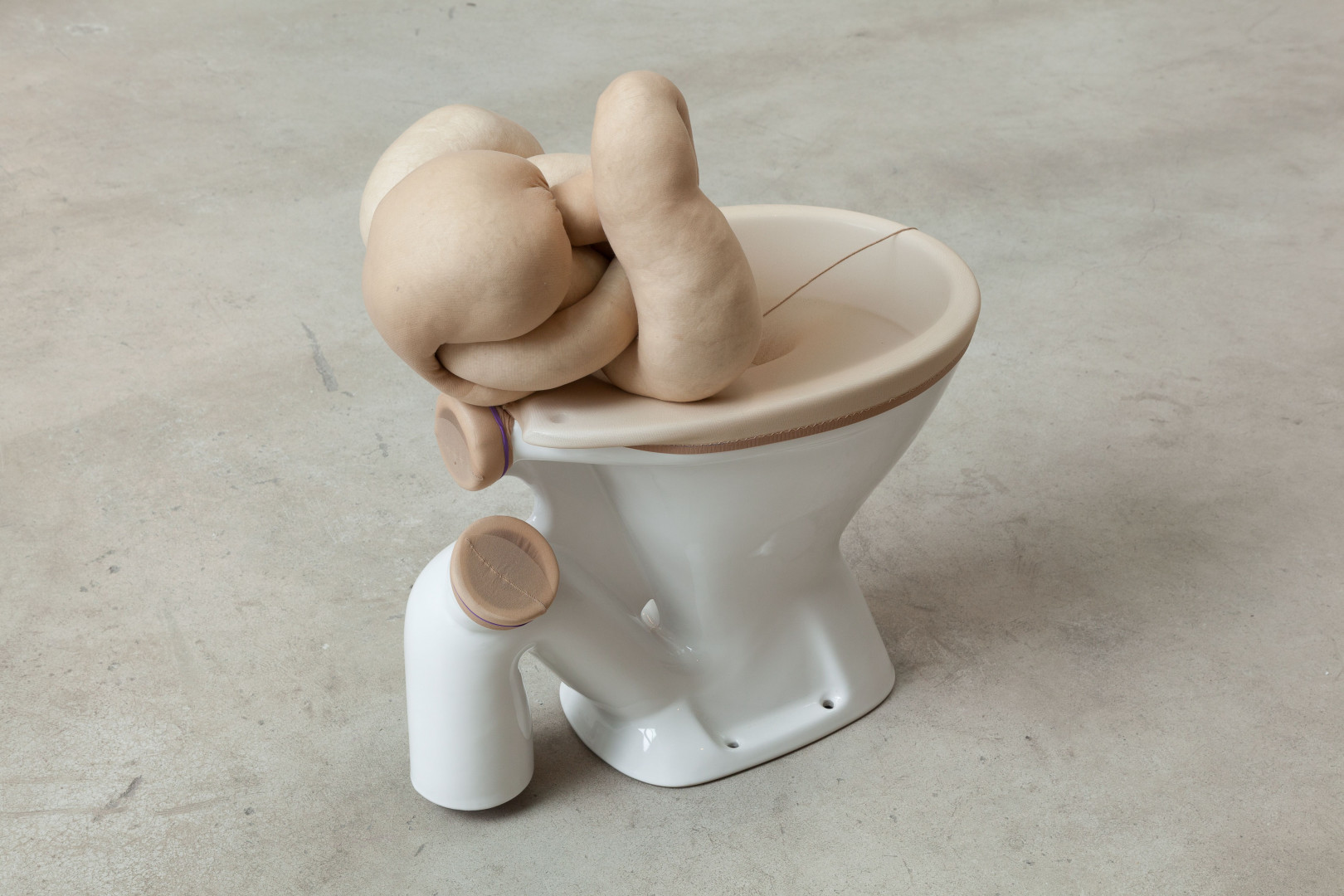
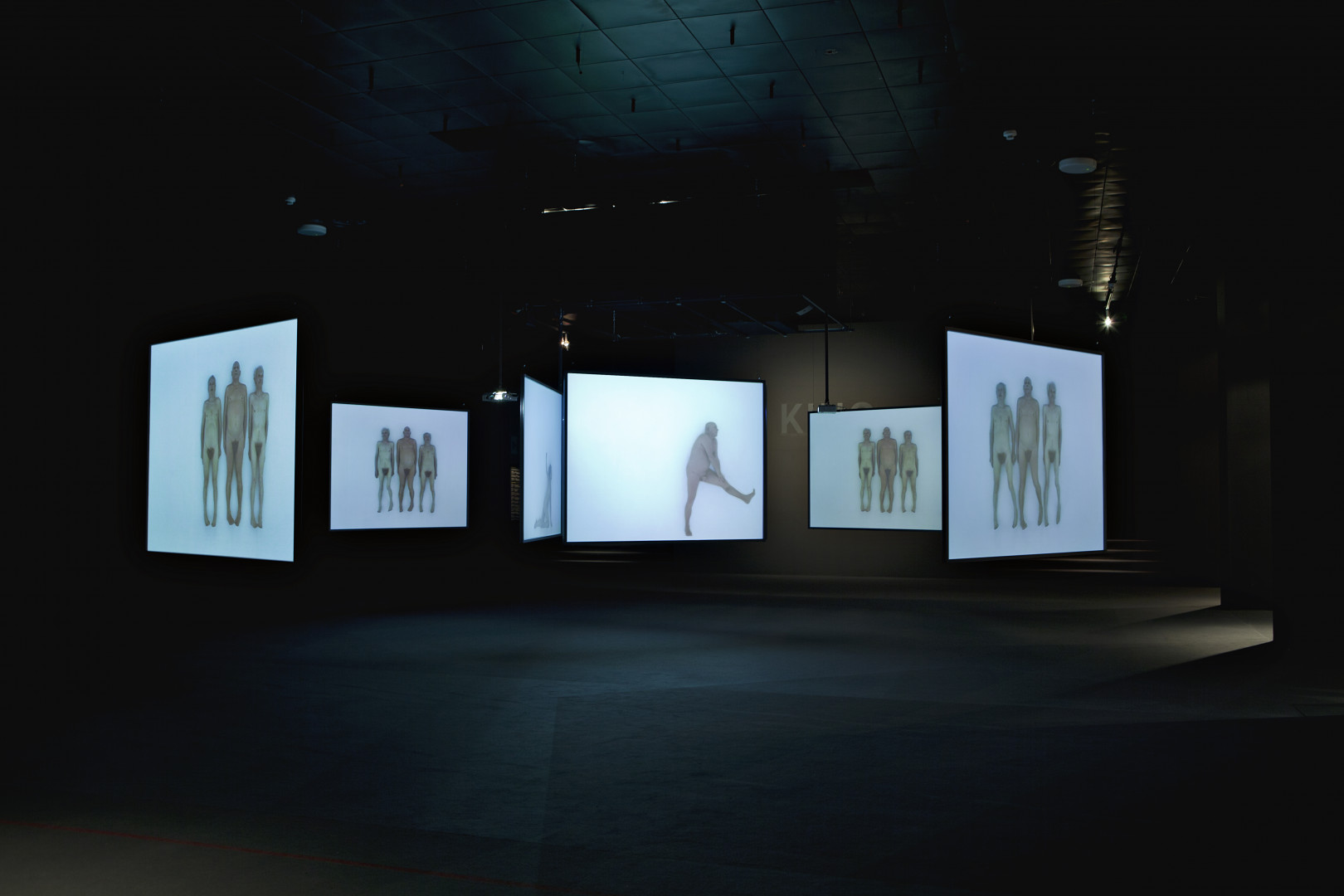
24 July – 18 October 2026
Opening: 24 July 2026
Level: 0
Curator: Kamil Kuitkowski
Exhibition design: Kamil Kuitkowski, Marta Mosiołek
Collaboration: Iryna Antonets, Mirosława Bałazy, Małgorzata Brzezińska, Monika Chaberka, Michał Chojnacki, Ryszard Cyganek, Matylda Czekaj, Katarzyna Czyż, Andrzej Dudziński, Betina Fekser, Przemysław Filek, Karolina Furtyk, Jacek Gąsecki, Filip Gąsiorowski, Katarzyna Grudniewska, Konrad Gryboś, Katarzyna Homoncik, Beata Iwasyk, Jakub Jagódka, Julia Jewszel, Katarzyna Jordan, Anna Karasiewicz, Rafał Karaś, Maciej Kopczyński, Kamila Kowerska-Karasiewicz, Magdalena Kownacka, Justyna Krzyśków, Anna Kubik, Anna Kusz, Grzegorz Kuźma, Andrzej Lis, Łukasz Łachman, Józef Łazarczyk, Wiktoria Łubaczuk, Joanna Łukasiewicz, Anda MacBride, Joanna Majewska-Grabowska, Grzegorz Majka, Magdalena Mazik, Monika Michałek-Brzegowska, Marta Mosiołek, Dominika Mucha, Adam Nehring, Małgorzata I. Niemczyńska, Wiesław Nosek, Gerard Piasecki, Justyna Piłat, Alina Pylypei, Daria Rzepiela, Przemysław Sadowski, Martyna Sobczyk, Mariusz Sobczyński, Rafał Sosin, Michał Spolitakiewicz, Justyna Strózik, Jakub Studziński, Jakub Sułecki, Maria Suska, Zuzanna Świątek, Anna Świerczyńska, Katarzyna Topa, Magdalena Urbańska, Natalia Veselovska, Kinga Wiśniewska, Małgorzata Wolska, Andrzej Wyroba, Aleksandra Żelichowska.
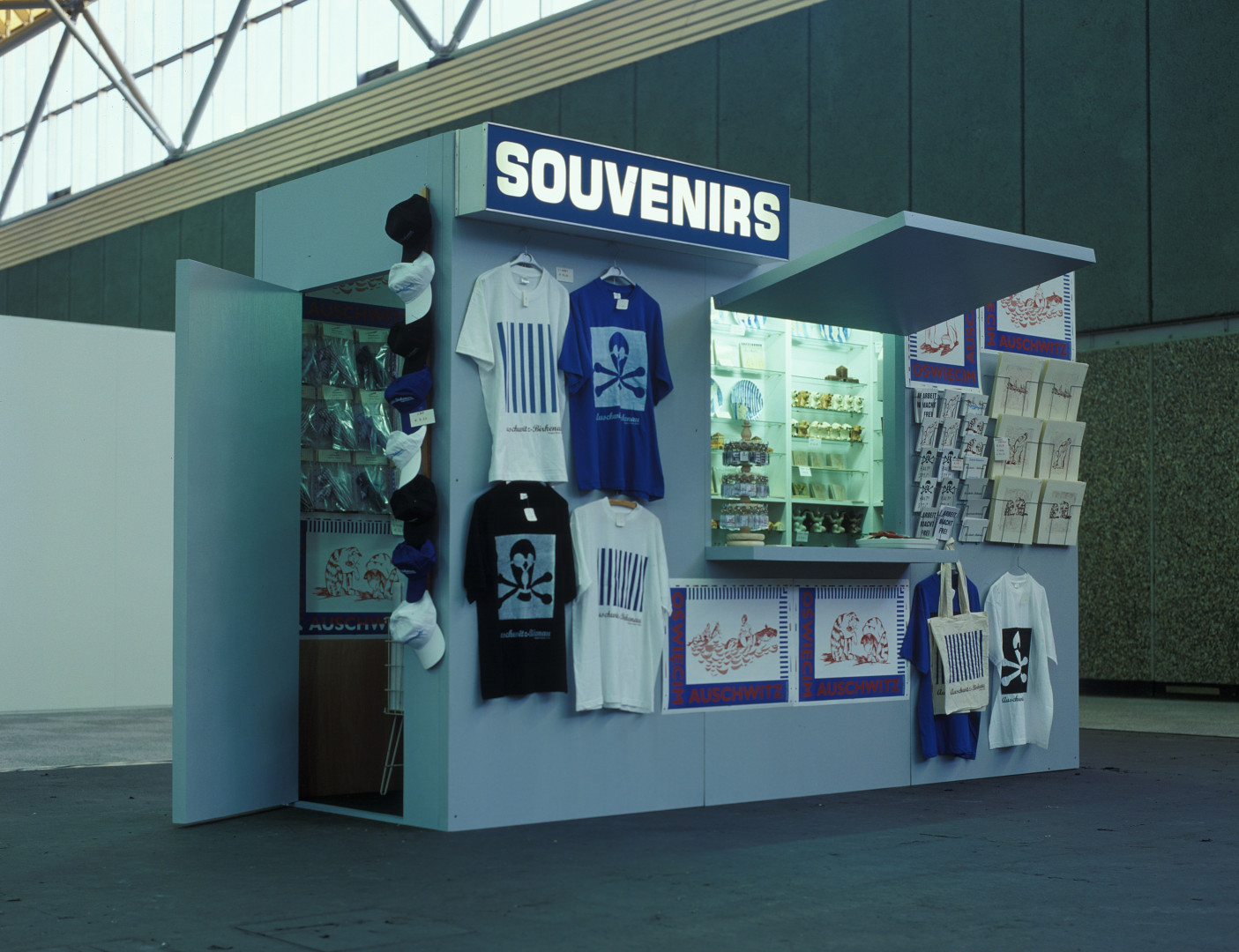
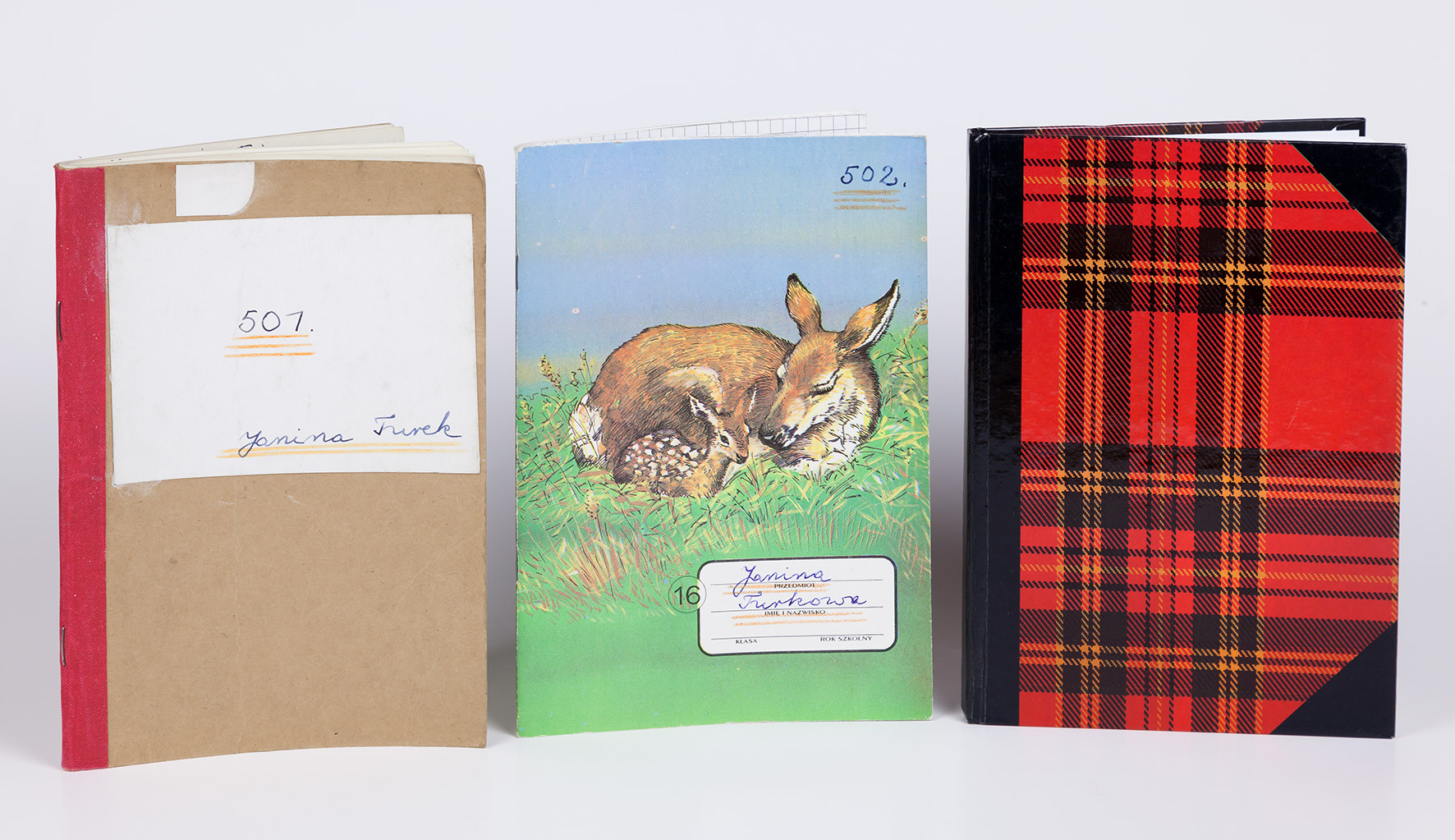
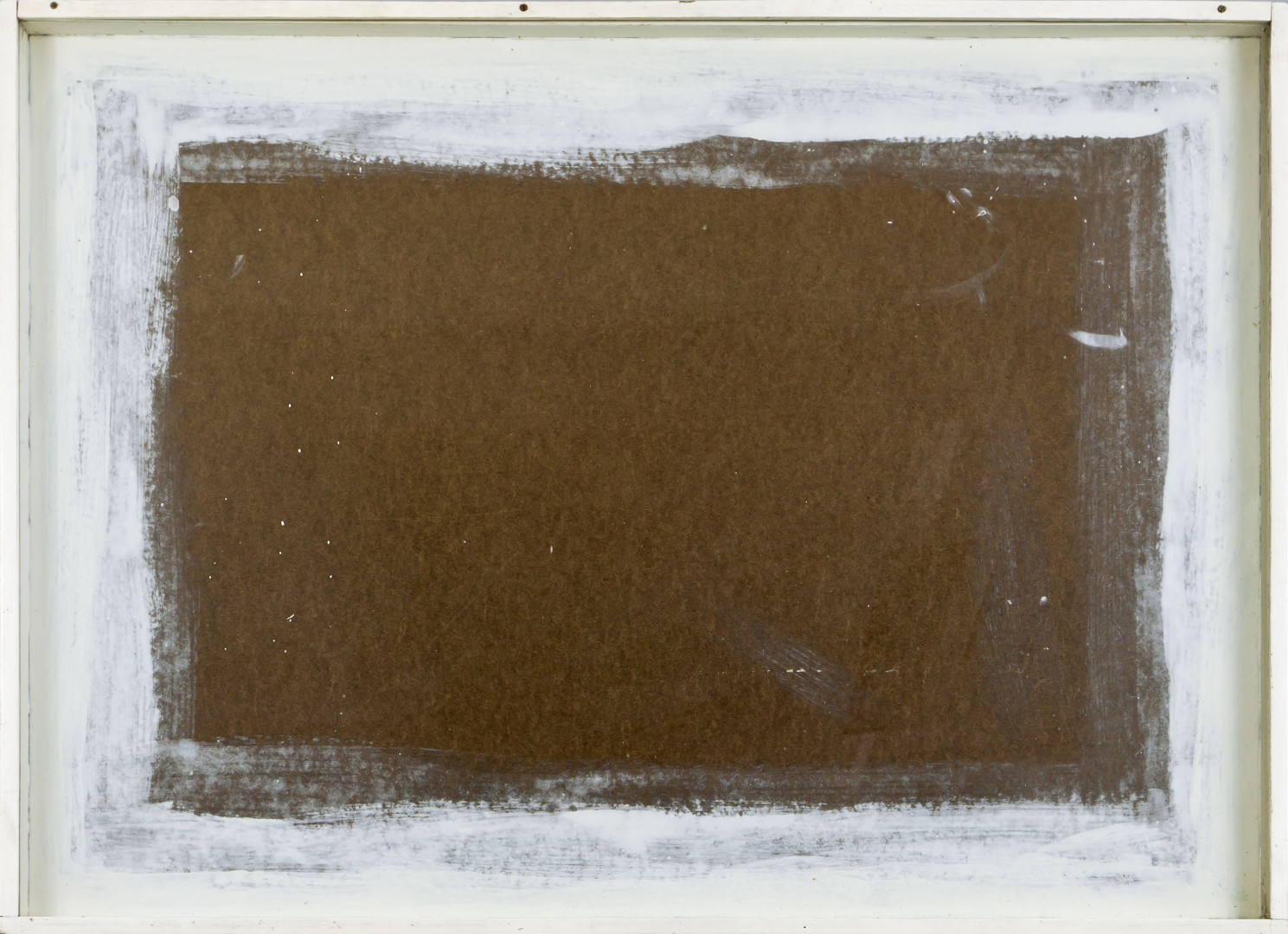
Artists: Tomasz Bajer, Kuba Bąkowski, Krzysztof M. Bednarski, Jerzy Bereś, Joseph Beuys, Burçak Bingöl, Piotr Blamowski, Wojciech Bruszewski, Rafał Bujnowski, Ahmad Canaan, Marek Chlanda, Louisa Clement, Josef Dabernig, Oskar Dawicki, Andrzej Dłużniewski, Marian Eile, Didem Erk, Omer Fast, Mounir Fatmi, Andrea Fraser, Adam Garnek, Matthias Herrmann, Volker Hildebrandt, Ewerdt Hilgemann, Paul Horn, Matas Janušonis, Khaled Jarrar, Rolf Julius, Wolf Kahlen, Jerzy Kałucki, Koji Kamoji, Tadeusz Kantor, Jarosław Kozłowski, Jerzy Kosałka, Tomasz Kowalski, Karolina Kowalska, Katarzyna Kozyra, Katarzyna Kukuła, Agnieszka Kurant, Agata Kus, Robert Kuśmirowski, Norman Leto, Abraham Lubelski, Sarah Lucas, Marcin Maciejowski, Krzysztof Maniak, Małgorzata Markiewicz, Jadwiga Maziarska, Maria Michałowska, Frodo Mikkelsen, Teresa Murak, Robertas Narkus, Dominika Olszowy, Joanna Pawlik, David Rabinowitch, Joanna Rajkowska, Farid Rasulov, Józef Robakowski, Teresa Rudowicz, Zbigniew Sałaj, Jaanus Samma, Si On, Janek Simon, Agata Siwek, Łukasz Skąpski, Mikołaj Smoczyński, Justyna Smoleń, Daniel Spoerri, Maria Stangret, Łukasz Stokłosa, Michał Stonawski, Yoshihiro Suda, Andrzej Szewczyk, Grzegorz Sztwiertnia, Janusz Tarabuła, Janina Turek, Piotr Uklański, Zbigniew Warpechowski, Ryszard Waśko, Peter Weibel, Ewa Zarzycka, Jakub Julian Ziółkowski, Heimo Zobernig.
‘Dust thou art, so get up and dust yourself off,’ Rafał Wojaczek pronounces in Lech Majewski’s film, subverting the universally recognised encapsulation of the inevitable human fate. You won’t see the film at the exhibition State of Possession, just as you won’t see many other things. This exhibition is built upon the experience of absence: a lack of time and stability, and above all, a lack of financial resources – a lack resulting from the implosion of the institution’s budget and the depletion of the resources necessary to have carried out the planned activities. We, however – much like Wojaczek in his defiant assertion – are trying to harness this depletion, understood as a crisis, and find new, different models for working on an exhibition that engages with the MOCAK Collection.
In narratives about the museum, the theme of collapse keeps recurring: there is talk of a ‘long-standing crisis’ and a ‘current crisis’, the institution itself is even described as a ruin. In creating the exhibition State of Possession, however, we are attempting to use the term ‘crisis’ on our own terms – to transform it into a tool and a starting point for further narratives and (self-)analysis. This method reflects for example queer practice, through which the once-offensive term ‘queer’ was consciously appropriated and used for the purposes and needs of the LGBT+ community, gaining new meaning as a broad concept denoting diversity. This approach allows ‘crisis’ to shed its apocalyptic connotations and shift in the direction of change, a restructuring of paradigms, a new beginning, and experimentation. Building on this premise, State of Possession becomes a subversive declaration of the institution’s assets – an exhibition constructed around objects from the MOCAK Collection, yet also open to other, intangible resources: the people working at the institution, its audience, its procedures, archives, history, image, perceptions and possible futures.
As the entire MOCAK team, we wish to use this exhibition to assess the institution’s assets and state of preservation, as well as our own level of knowledge and state of health. At the same time, we are highlighting areas of activity on which we plan to focus in the future, whilst engaging both with our own identity and the reality that surrounds us. This unusual self-examination and stock-taking, coupled with plans for renewal, comes at a particular juncture in the institution’s history. On the one hand, it marks the 15th anniversary of the first exhibition opening to the public at MOCAK – an occasion that should be a time for celebration and reflection. On the other hand, MOCAK is experiencing the aftermath of the dismissal of its director, coming shortly after the dismissal of the previous director, which has sparked numerous discussions in the media and within the art world about the museum’s current state and future.
In a broader sense, however, uncertainty and instability do not appear to be an incidental pathogen, but rather part of the universal institutional genome. Operating within the framework of funding models, legal regulations, policies and management practices, all institutions are always, behind the scenes, murky and vulnerable. Therefore, by consciously working on their own crisis-prone nature, they can become laboratories of poly-crisis reality and transform it into a creative force. The exhibition State of Possession is such a tentative and incomplete attempt.
Achille Mbembe wrote in Brutalism that the absence of any possibility of restitution or a return to the previous state may well spell the end of the museum, understood not as an extension of the cabinet of curiosities, but as the quintessential embodiment of humanity’s past – a past of which it would be a lone witness. All that would remain would be an anti-museum, a sort of attic of the future, whose function would be to accommodate that which was yet to be born, that which did not yet exist.[1] Following this thread, State of Possession has been divided into five successive metaphorical chapters: Ruins, Nooks and Crannies, Mudlands, Closets and Cabinets and Springtimes. Each examines the state of possession from a different perspective and employs different visual and symbolic tools. All are built around works from the MOCAK Collection, many of which have never before been shown in public or exhibited at the museum. The current situation encourages us to interpret the museum’s collection as resting on three pillars: conceptual art, works from the Fluxus movement, and a collection of objects and artefacts reminiscent of the logic of a classical cabinet of curiosities. The exhibition is underpinned by a meta dimension, revealed in a reflection on the very act of collecting and archiving. When analysed as an entirety, the MOCAK Collection reveals its delirious character, resembling a liminal labyrinth in which satiation coexists with void, and moments of rapture border on despair. We have translated this understanding of the collection’s topography into the exhibition space. This is an invitation to play a game of discovery through hide-and-seek, an invitation to wander through ruins, nooks and crannies, mudlands and closets and cabinets – to arrive at the realisation that crises exist so that springtimes may follow.